The Department of Bioregion is a small, distributed team of staff, long-term contractors, and aligned program leads working across the Cascadia bioregion, California, and beyond. We are organizers, researchers, mappers, finance and operations practitioners, communicators, and program leads who share a commitment to bioregionalism and to building the infrastructure that place-based movements need in order to last.
Most of us came to this work through years of grassroots organizing in our own watersheds. We believe the people who live in a place are best suited to lead in caring for that place, and we hire and contract from that principle. Our team is intentionally distributed: people work from where they live, in the bioregions they know, and bring that local knowledge into a shared continental network.
How the team is structured
The Department currently operates with five employees, three long-term contractors working more than twenty hours per week, and a wider network of thirty-six contractors across Washington, Oregon, and California. As the organization grows into California, the Great Lakes, and other landscapes, the team is expanding alongside the work. Core operations, finance, and program leadership sit with employees. Specialized, project-based, and bioregion-specific work is carried out by contractors who are embedded in the places they serve.
Many of our team members also hold roles in our Cascadia program, Regenerate Cascadia, reflecting the integrated way our backbone and program work are organized.
Leadership and Staff

Brandon Letsinger
Founder and Co-Administrator. He/him. Based on Vashon Island, Cascadia.
Brandon founded the Department of Bioregion in 2019 and serves as administrator alongside a growing leadership team. He has been organizing in the Cascadia bioregion for more than a decade, helping establish the Cascadia Bioregional Congress tradition, the Cascadia Department of Bioregion, and an expanding network of organizers, scholars, artists, and stewards committed to bioregional culture-building. He works across the bioregion to build the social infrastructure for regeneration.
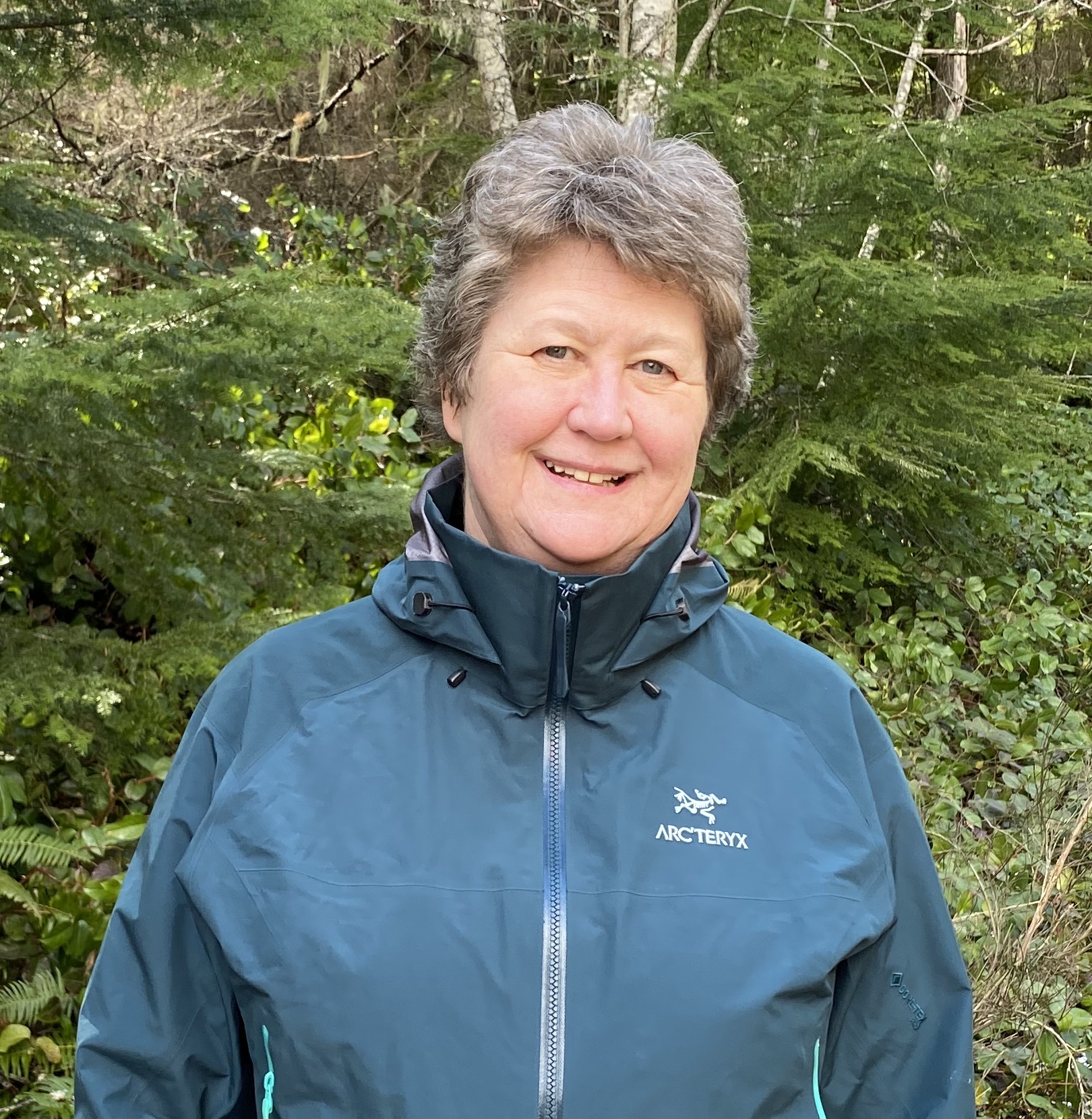
Clare Attwell
Co-Administrator. She/her. Based in Greater Victoria, Cascadia.
Clare serves as Co-Administrator of Regenerate Cascadia, supporting distributed network operations and organizational infrastructure across the bioregion. Her work focuses on the systems and relationships that hold a continental network together: governance, communications, and the kind of slow, careful coordination that lets place-based teams stay connected without losing their groundedness.

Susan Fine
CDOB Community Steward. She/her.
Susan serves as CDOB Community Steward, supporting the organizational capacity that lets fiscally sponsored projects and bioregional branches operate under our 501(c)(3) umbrella. Her work spans compliance, financial oversight, and the practical nonprofit knowledge that helps grassroots organizers move from idea to durable program.

Ben Moseley
Senior Leadership. He/him. Based in the South Willamette Valley.
Ben oversees nonprofit operations for the Department of Bioregion, coordinating the systems, processes, and shared infrastructure that allow our staff, contractors, branches, and fiscally sponsored projects to do their work. He brings a steady operational hand to the connective tissue of the organization.

Taya Seidler
RC Development Coordinator. She/her.
Taya coordinates initiatives across the bioregional network, helping translate the Department’s program areas, Seeds, Roots, and Branches, into the day-to-day work of organizers and partners on the ground. She is based outside the Cascadia bioregion and brings a wider continental perspective to the Department’s program work.
Gaya Herrington
RC BioFi Coordinator. She/her. Based in Cascadia.
Gaya coordinates regenerative finance initiatives and programs across the United States, working at the intersection of bioregionalism, economic transformation, and the financial infrastructure that long-term place-based work requires. Her practice connects the Department’s work to the broader bioregional finance movement.
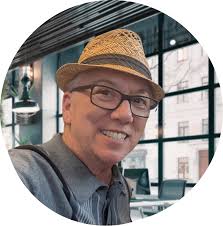
Drew Alcoser Llano
Relationship Manager. They/them.
Drew builds connections within the regenerative network and supports the relational infrastructure of the Department, including stewardship of new partnerships, onboarding of fiscally sponsored projects, and the quiet, ongoing work of keeping a distributed team in touch with each other.

Travis Odinzoff
Store Manager. He/they. Based in Cascadia.
Travis manages operational and retail functions that support the Department’s programmatic and movement-building work, including the Cascadia merchandise and apparel store that helps fund our ongoing organizing.
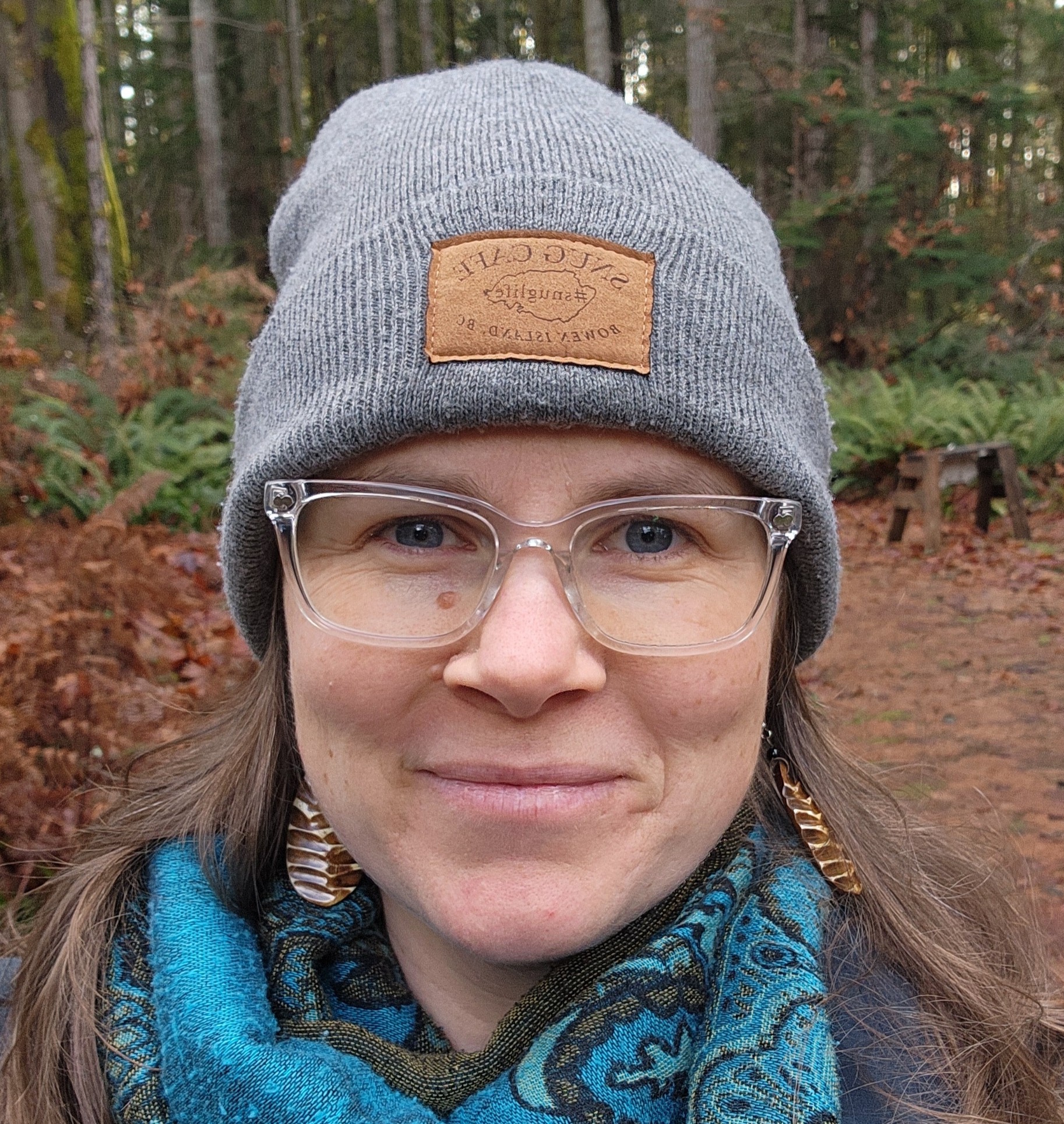
Emily McGill
RC Community Steward. She/her. Based in the Fraser Lowland, Cascadia.
Emily facilitates local bioregional organizing and engagement in the Fraser Lowland and supports community stewardship across the broader Cascadia network. Her work focuses on the on-the-ground practice of place-based organizing and the relationships that make it durable.
Board of Directors
The Department of Bioregion is governed by a Board of Directors that holds fiduciary responsibility for the organization, approves new bioregional branches and fiscal sponsorship relationships, and stewards the long-term direction of the work. Board members bring experience in nonprofit governance, bioregional organizing, finance, law, and community leadership across the bioregions in which we operate. Full biographies are added to this page as they are provided.
Alex DeVeiteo
President
Stacey Crumbaker
Secretary
Trevor Owen
Treasurer
Contractor network
Beyond the core team listed above, our contractor network includes facilitators, designers, organizers, mapmakers, writers, technologists, and bioregional practitioners across Washington, Oregon, California, and partner bioregions. Contractors are engaged for defined scopes of work, often tied to a specific program, branch, or grant, and are part of how the Department extends capacity into new landscapes without growing a top-heavy central staff.
How we work
We are a remote-first team. We meet regularly across time zones, work asynchronously where we can, and gather in person when the work calls for it, particularly at bioregional congresses, branch onboardings, and field events. We try to model the practices we ask of our branches: clear roles, transparent decision-making, lightweight accountability, and a long view that values relationships over speed.
If you would like to be in touch with a specific team member or program, please reach out through our contact page.